Car Key Replacement by Make, Model, and Key Type
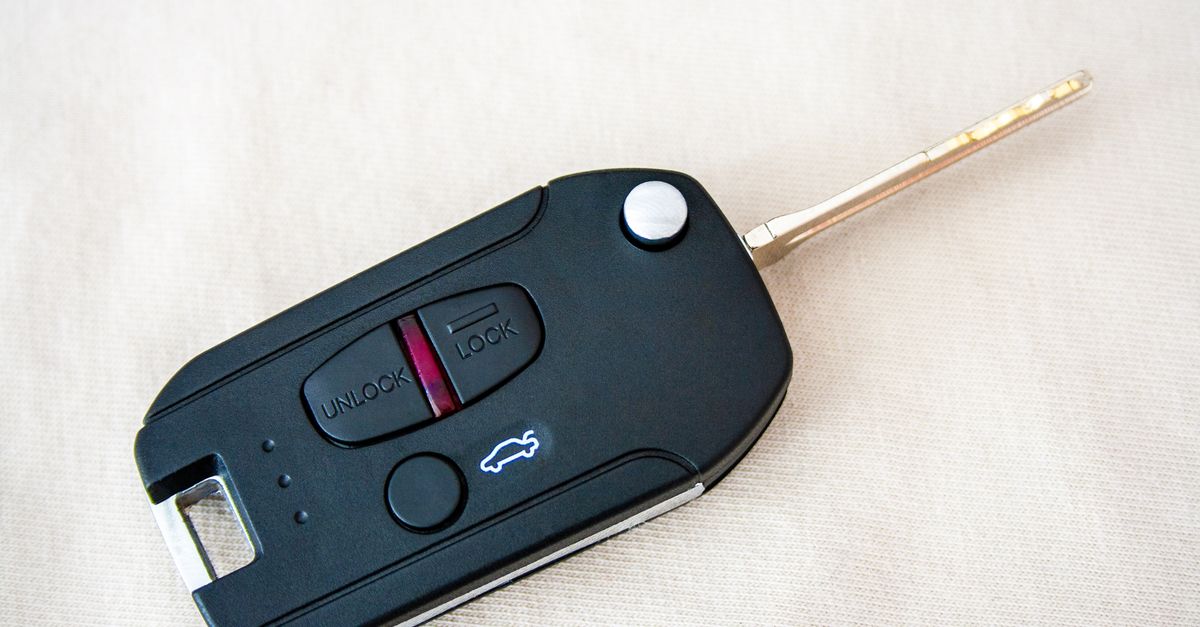
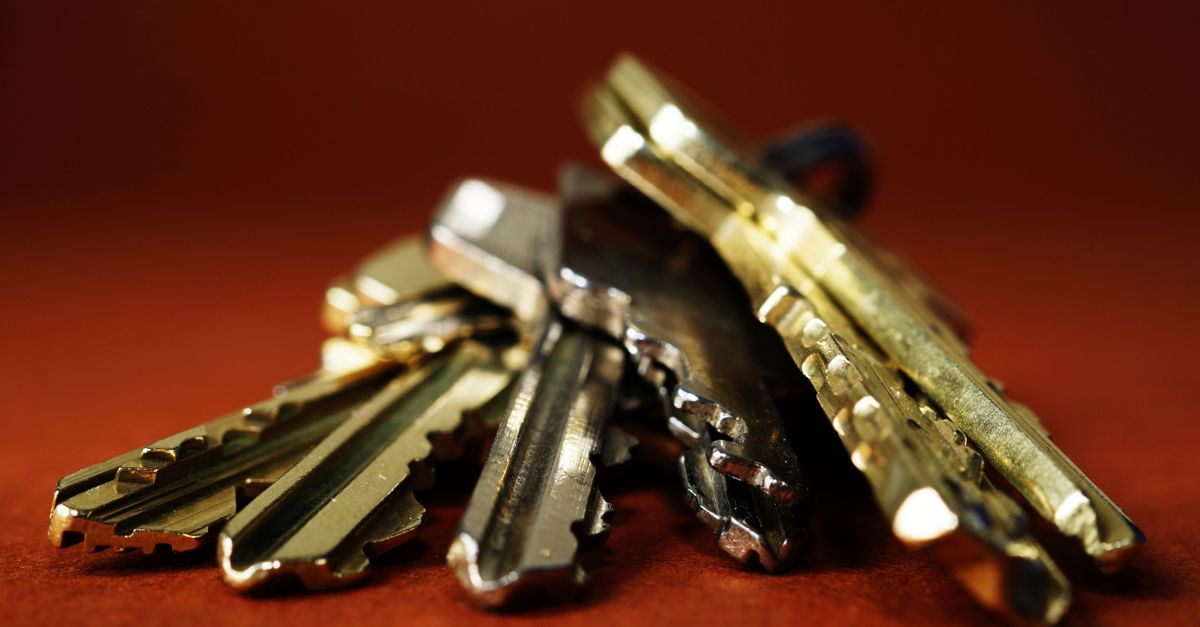
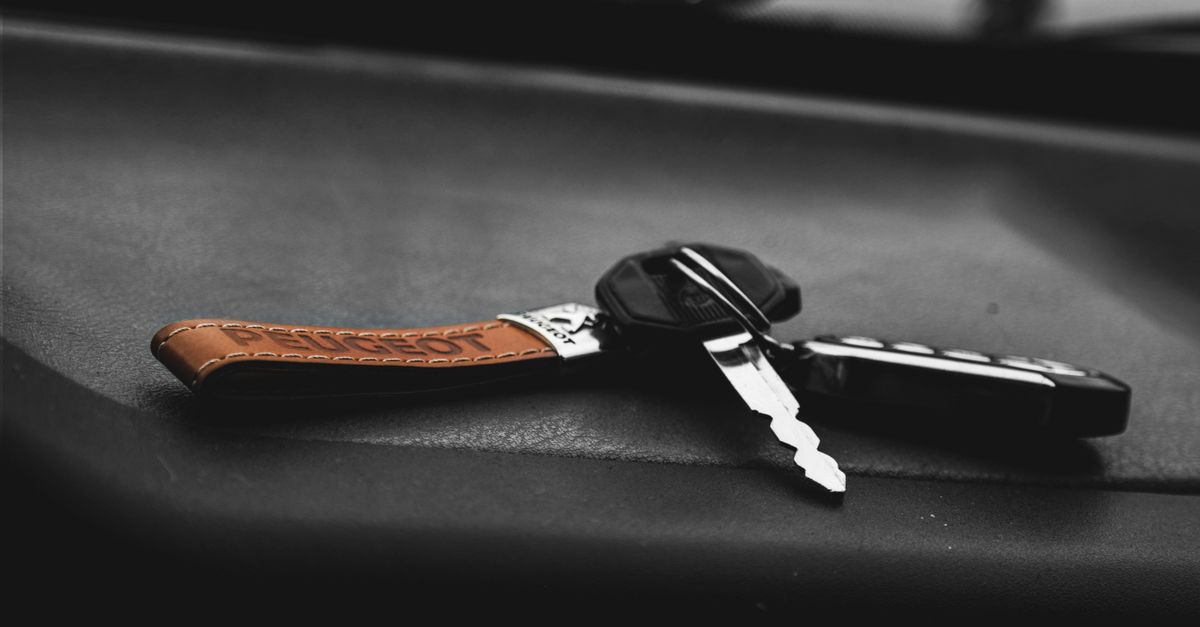
The single biggest factor in any key-replacement job is what type of key your vehicle uses, because that determines both the parts required and the programming steps involved. Basic metal keys — still found on older trucks and economy cars — are the quickest to duplicate, requiring precision cutting to match the door and ignition cylinders. One step up are transponder keys, which carry a small electronic chip inside the plastic head; the blade must be cut to the correct profile AND the chip must be programmed to match your vehicle's immobilizer, otherwise the car will recognize the cut key physically but refuse to start. Key fobs and proximity smart keys used on many newer Toyotas, Hondas, BMWs, and Chevrolets add a radio-frequency layer and often require dealership-level programming equipment — equipment our technicians bring to your location. Push-to-start vehicles without a traditional ignition slot are among the most involved replacements, sometimes requiring synchronization with the car's body-control module.
Common vehicles we work on regularly in Malden include Honda Civic and CR-V models (transponder and smart key), Toyota Camry and RAV4 (H-chip and proximity fob), Ford F-150 and Escape (80-bit transponder and push-start), Hyundai Sonata and Elantra (blade-and-chip and smart key), Chevrolet Silverado and Malibu (VATS and transponder), Jeep Grand Cherokee and Wrangler (fob programming and ignition cylinder replacement), Nissan Altima and Sentra (push-start and transponder), and BMW 3- and 5-Series (comfort access and EWS programming). This is not an exhaustive list — call us at (781) 514-6503 and describe your vehicle; we will tell you exactly what is involved before we dispatch a technician.